ERP-Based Project Procurement Schedule and Material Requirements Planning
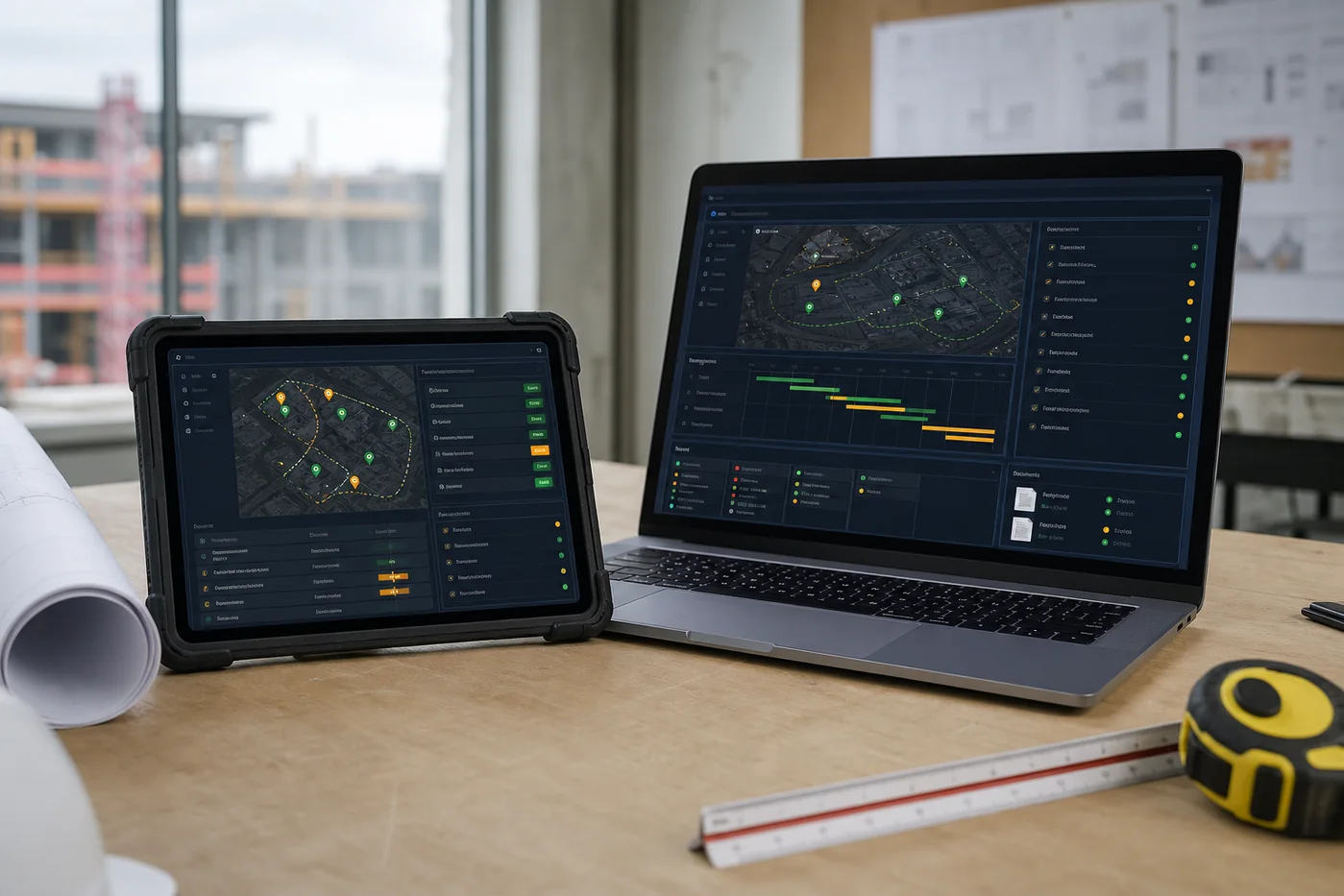
Connect the programme with approvals, purchasing, production, transport and site stock to reduce delay and excess inventory.
Material delay is often caused not by a late purchase order alone, but by failing to connect the site need date with approval, production and logistics lead times. ERP-based material requirements planning links the programme to procurement and delivery as one controlled chain.
Plan backwards from the need date
Start with the date the material is required on site. Work backwards through unloading, customs, transport, production, technical approval and quotation. Record the latest request, order and dispatch dates with a responsible owner.
Automation needs reliable master data
- Standard product and material codes
- Approved suppliers and normal lead times
- Minimum order and packing quantities
- Project, work-package, location and cost codes
- Available stock and quantities reserved for other projects
Standardise procurement status
Use clear stages such as requested, technical review, awaiting quotations, commercial evaluation, approved, ordered, in production, in transit and received. When each stage has an owner and target duration, the source of delay becomes visible.
Where AI adds value
Models can learn supplier lead-time variance, flag stock-out risk from consumption and prioritise critical work packages. Document analysis can compare delivery, payment and warranty terms across offers. Automated recommendations should support, not replace, authorised procurement approval.
Management indicators
| Indicator | Purpose |
|---|---|
| On-time ordering rate | Measure planning discipline |
| Supplier delivery variance | See actual capability |
| Emergency-purchase rate | Reduce unplanned cost |
| Site stock turnover | Limit excess inventory |
Explore RHB ERP and field platforms or contact us to design a pilot procurement workflow.