How to Manage Site Logistics ETA with an ERP Risk Dashboard

Manage project shipments between Türkiye, the Gulf, China and North Africa through event-based ETA instead of one unqualified arrival date.
ETA is more than a vessel or truck arrival date. A project needs to know when material will be released, delivered and ready for use after production, documentation, port, customs and inland transport. One date cannot explain where a delay began or who owns the next action. Use milestone-based logistics records in the ERP.
1. Link traceable shipment units
Connect purchase order, production batch, carton/pallet/roll, container and project delivery point in one identity chain. The GS1 traceability model similarly records events across the lifecycle of a traceable object.
2. Separate planned, forecast and actual dates
Store contract, baseline plan, current forecast and actual date for every milestone: production complete, factory release, loading, main departure, transshipment, arrival, documents ready, customs release and site acceptance.
3. Update ETA with sourced evidence
Carrier messages, port information, broker status and site receiving capacity should update the same shipment record. Preserve the reason, source and confidence level for every forecast change.
4. Convert risk signals into actions
- Open an alternative booking task when production misses the cut-off.
- Assign missing document actions before dispatch or customs.
- Recalculate project stock cover when transshipment expands.
- Expose demurrage, storage and redelivery risk when the site is not ready.
5. Use AI for prediction and summarisation
AI can learn route durations, extract events from emails and create management summaries. It should not change customs status, contractual responsibility or a committed delivery date without authorised human approval.
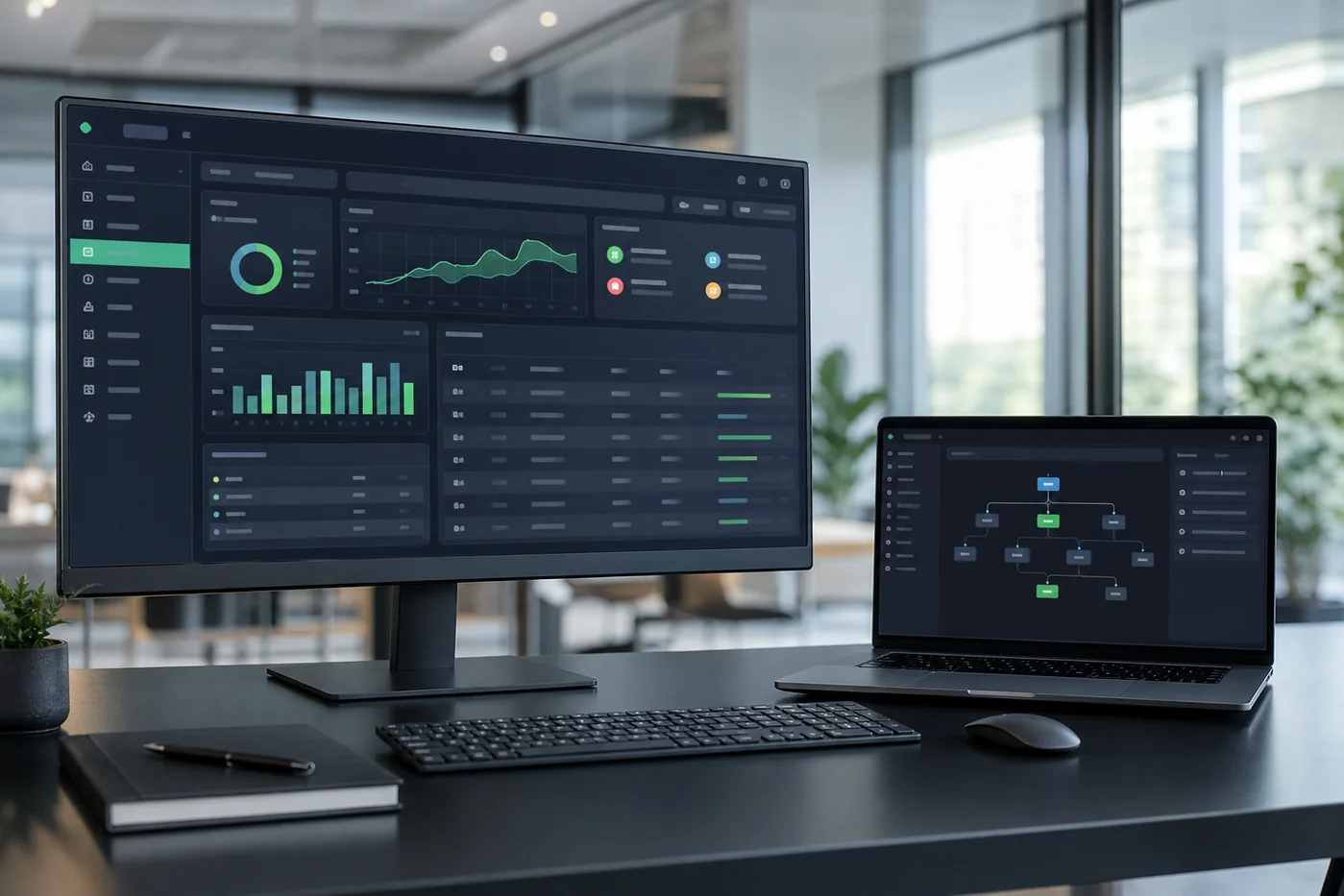
6. Keep the dashboard decision-focused
- On-time milestone rate
- Baseline-versus-forecast ETA variance
- Shipments with missing documents
- Days awaiting customs release
- Stock-cover days for critical material
- Delay-related cost and action owner
7. Translate delivery terms into ownership
The selected Incoterms® rule and named delivery point affect responsibility for transport, risk, import procedures and cost. DDP, for example, places the maximum obligation on the seller, including import clearance and applicable duties. The ERP should convert the term into assigned tasks, not store it as passive text.
Frequently asked questions
Is ETA the same as site delivery?
Not always. Customs, inland transport and site acceptance may follow port arrival.
Should AI change ETA automatically?
AI may propose a forecast and risk level; contractual commitments and commercial actions require authorised approval.
See ERP project procurement scheduling for the upstream planning process.