Energy Efficiency in Indoor Field Projects
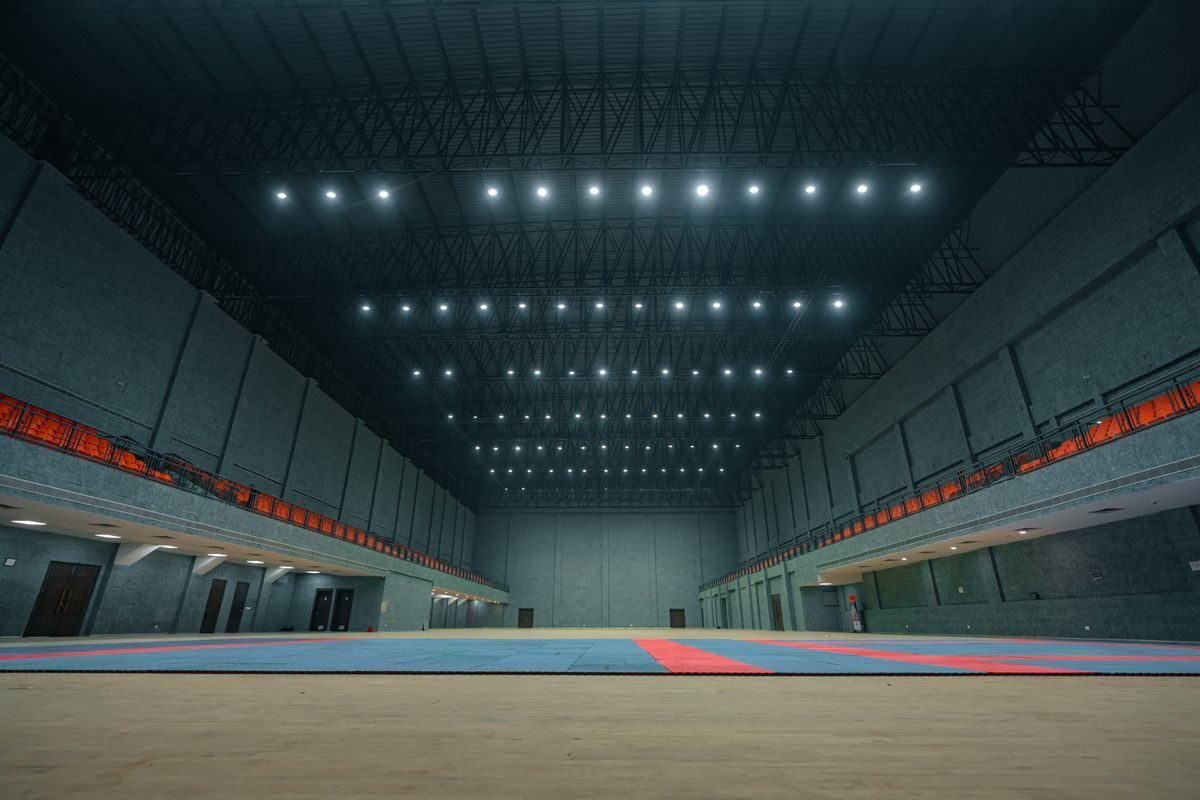
How to reduce operating costs with the right equipment strategy.
Optimizing energy consumption in indoor field investments delivers significant long-term savings. Making the right lighting, ventilation and insulation decisions at the start of the project markedly lowers both operating costs and the carbon footprint.
The LED transition in lighting
Compared with traditional floodlights, LED fixtures provide the same field illumination at far lower power. Thanks to even light distribution, instant start-up and long life, maintenance frequency drops. In a typical indoor field, lighting is one of the largest items in total electricity use, so the difference in the initial investment pays back quickly.
Ventilation and insulation
Energy efficiency is not limited to lighting. Well-designed ventilation (HVAC/HRV) preserves indoor air quality while reducing loss through heat recovery; roof and wall insulation lowers the heating and cooling load.
- Heat-recovery ventilation: supplies fresh air while recovering much of the exhausted heat.
- Roof and façade insulation: balances seasonal heat losses and gains.
- Automation: adjusts lighting and climate control automatically to usage intensity.
When these decisions are addressed together, the return on investment (ROI) shortens and the facility runs on low operating expense for years. For your indoor field project, reach out to us.